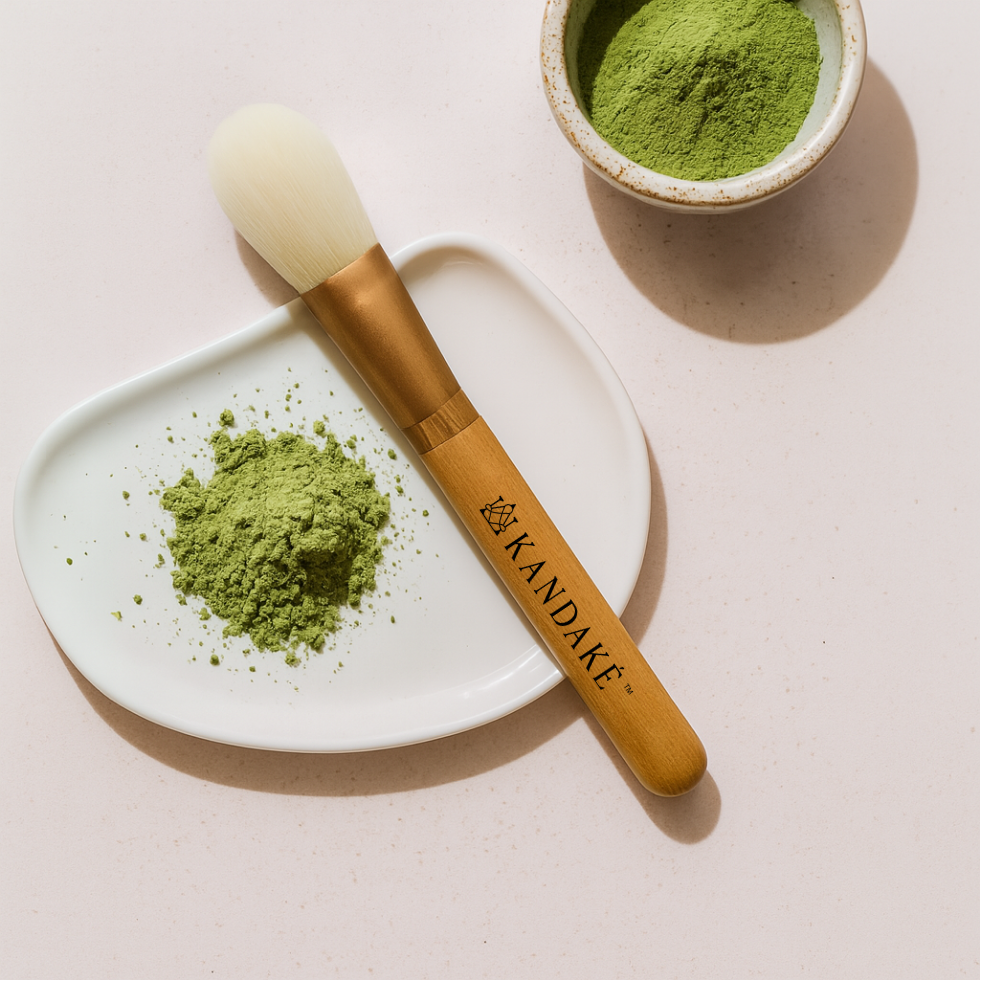
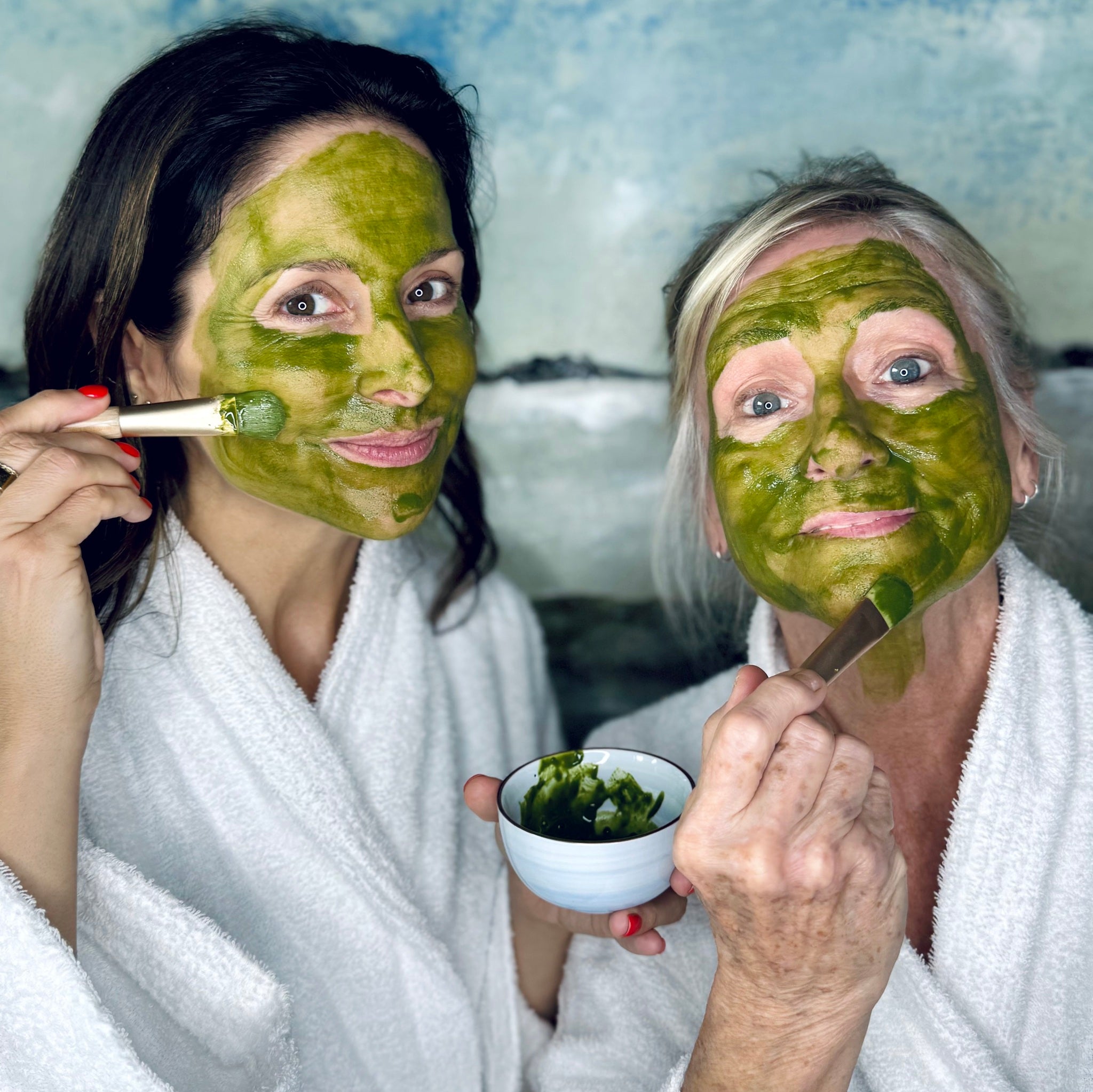
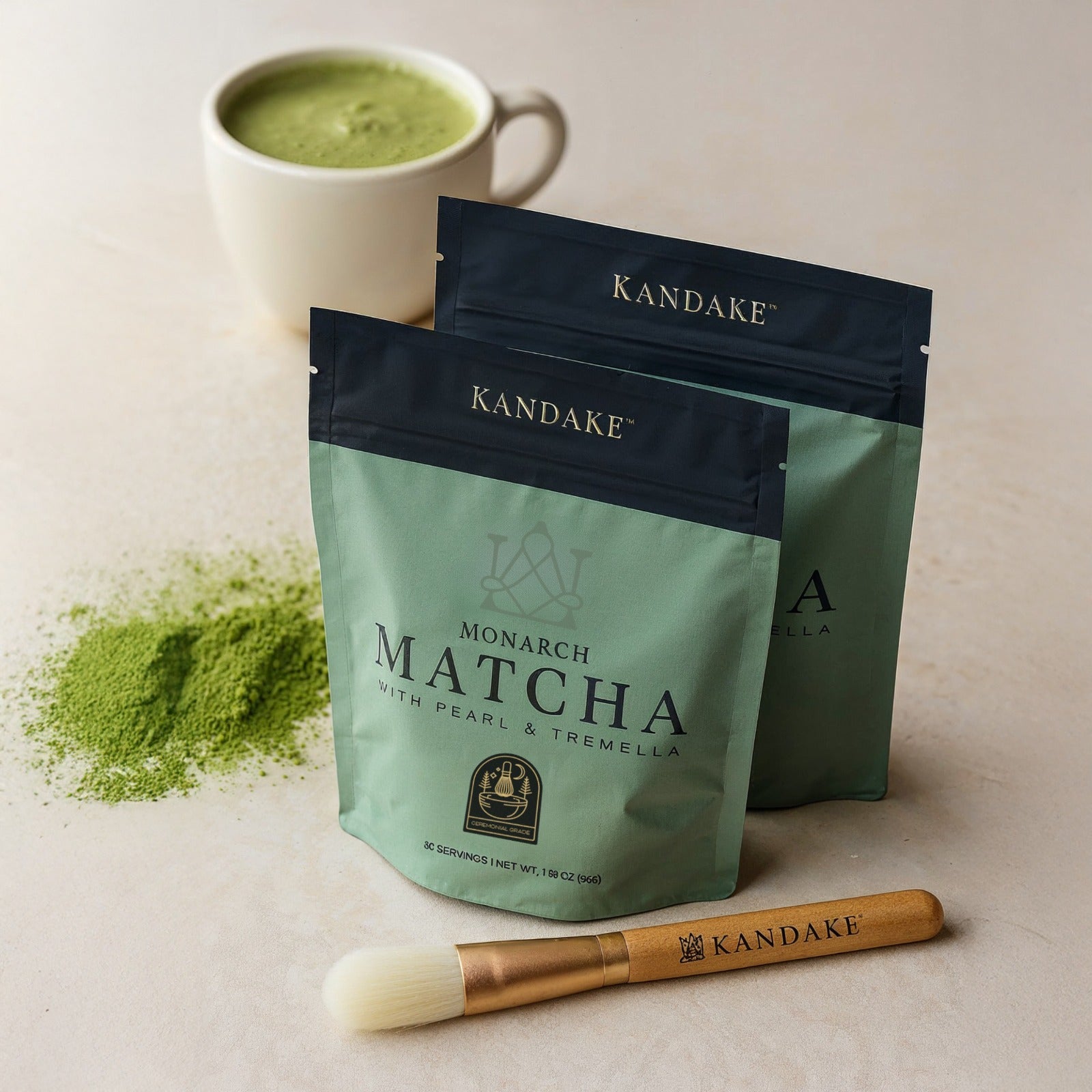
Monarch Matcha™

The Ingredients I Chose and the Science Behind Them

A first person walk through the three ingredients in my TriBlend™ Formula, the research behind each one, and why I built Monarch Matcha™ the way I did.

Why I built Monarch Matcha™ the way I did

I want to take you inside the formula. Not as a sales pitch. As a teaching. The three ingredients in Monarch Matcha™ are organic ceremonial matcha, organic tremella mushroom, and marine pearl powder. There is a reason for each one, and there is a body of research behind each one that I will share with you on this page.

I want to be honest about what I am sharing. The research I will walk through studies these ingredients individually, which is how nearly all nutrition science works. I will link every study so you can read the original paper yourself. My goal is not to convince you of anything. My goal is to give you the same information I had when I made my choices, so you can make your own.

I have always believed body stewardship is a practice, not a product. Monarch Matcha™ is one of the daily practices I built for myself, and now I get to share it with you.

What Monarch Matcha™ is

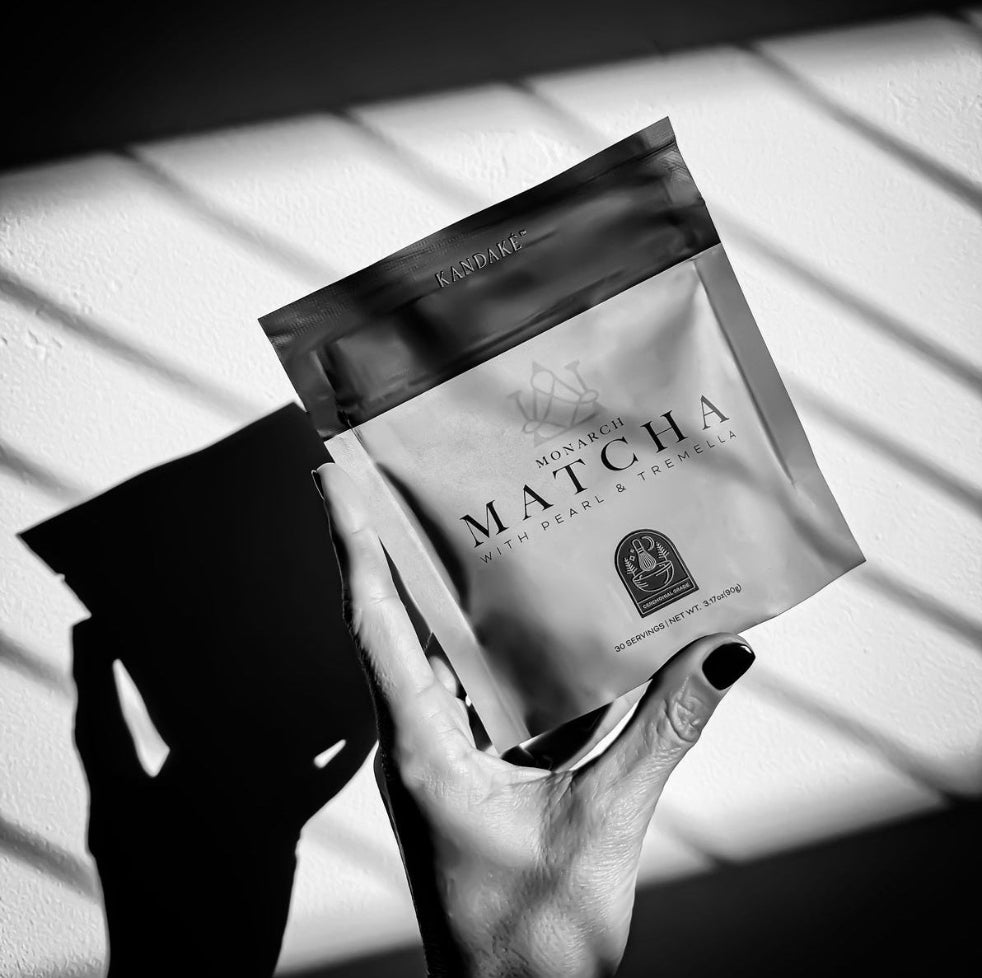
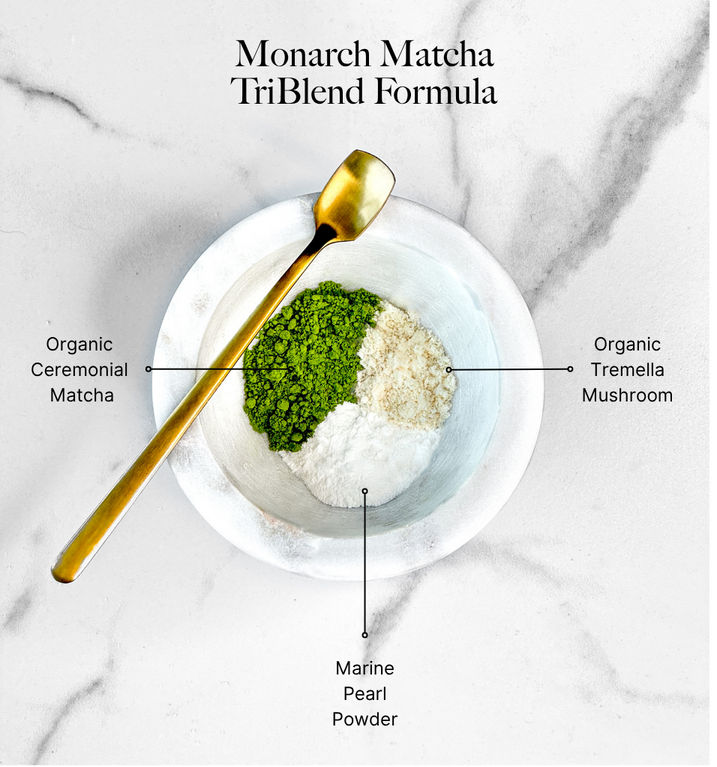
Monarch Matcha™ is a daily care powder built around three ingredients: organic ceremonial matcha grown in the shade in Japan, organic tremella mushroom (sometimes called the snow mushroom), and marine pearl powder. I call this my TriBlend™ Formula because three ingredients work together to support the way I want to feel as I move through my day. Calm, focused, and present in my body.

Each ingredient in my TriBlend™ Formula was chosen because the research on it is genuinely interesting and because it fits into a daily care practice rather than a quick fix. I do not believe in quick fixes. I believe in showing up for yourself every morning, and choosing ingredients that support that showing up over years and decades.

Who I made it for

I made Monarch Matcha™ for the woman who is intentional about how she lives. She is not chasing youth. She is not at war with her body. She is in her middle decades and beyond, and she has decided that the way she cares for herself in the morning sets the tone for the rest of her day. That is who I am, and that is who I built this for.
What I mean when I say backed by science

The phrase backed by science gets used so loosely that it has almost lost its meaning. So I want to tell you exactly what I mean by it on this page.

When I share research with you, I am sharing peer-reviewed studies on the individual compounds and ingredients in Monarch Matcha™. Some of those studies are randomized controlled trials in humans. Some are systematic reviews that pool many trials together. Some are mechanism studies that show how a compound behaves at the cellular level. They are all useful, and they all answer slightly different questions.

What I am not doing is claiming that Monarch Matcha™ as a finished blend has been put through its own clinical trial. The research I cite is on the ingredients themselves, the way nearly all nutrition and supplement science is conducted. I would rather tell you that plainly than dress it up in language that implies more than it should.

I would rather you trust me with the truth than impress you with a phrase. That is the kind of brand I want to build, and that is the kind of woman I want to be.

Calm focus and the nervous system

If you have ever wondered why a cup of matcha feels different from a cup of coffee, the answer lives in two compounds and the way they work together. The first is caffeine, which most people are familiar with. The second is L-theanine, an amino acid that occurs naturally in the leaves of the tea plant Camellia sinensis.

L-theanine, on its own

L-theanine is an amino acid that has been studied for its effects on the nervous system. A 2007 study by Kimura and colleagues, published in Biological Psychology, looked at what happened when participants took L-theanine before performing a stressful mental arithmetic task. The researchers measured both heart rate and salivary immunoglobulin A, which are physical markers of how the body responds to acute stress. They found that L-theanine reduced both responses compared with placebo, and they attributed the effect to a calming influence on the sympathetic nervous system. (Kimura et al., 2007 — PubMed).

Organic ceremonial matcha is one of the highest natural dietary sources of L-theanine. That is the first reason it sits at the heart of my daily care practice.

Caffeine and L-theanine, together

What is more interesting to me is what happens when L-theanine and caffeine are studied together, the way they actually occur in tea. A 2008 randomized study by Owen and colleagues found that the combination of L-theanine and caffeine improved both speed and accuracy on attention-switching tasks, and reduced susceptibility to distraction during memory tasks, more than either compound on its own. (Owen et al., 2008 — PubMed). A separate 2010 study by Giesbrecht and colleagues, using lower doses closer to what you find in a single serving of tea, replicated the finding and reported that the combination helped focus attention during a demanding cognitive task. (Giesbrecht et al., 2010 — PubMed).

More recent research has continued to support the pattern. A 2025 randomized crossover trial in sleep-deprived adults found that an L-theanine and caffeine combination improved both the accuracy and the speed of selective attention compared with placebo. (Sasaki et al., 2025 — PubMed).

Why the shade matters

Not all matcha is the same, and the difference comes down to how the tea plant is grown. The leaves used to make ceremonial grade matcha are shaded for roughly twenty to forty days before harvest. Shading the plants slows photosynthesis, which causes the leaves to produce more L-theanine and chlorophyll, and to retain a softer, sweeter flavor instead of becoming bitter.

A 2022 study published in the International Journal of Molecular Sciences confirmed that shade growing increases both the L-theanine and the caffeine content of tea leaves while changing the polyphenol profile. (Liu et al., 2022 — PubMed Central). A separate 2020 review on matcha specifically noted that the shade-growing process is the reason matcha contains higher concentrations of these compounds than standard green tea. (Jakubczyk et al., 2020 — PubMed).

When I sourced organic ceremonial matcha for Monarch Matcha™, I was not buying any green tea powder I could find. I was buying shade-grown leaves because that is what the research is actually about. It matters to me that the ingredient on the label is the ingredient in the studies.

Calm focus is not the same as a caffeine rush. Calm focus is the feeling of being awake without being braced.

Polyphenols, oxidative stress, and the way our bodies age

The other reason I chose organic ceremonial matcha is for its polyphenol content. Polyphenols are a large family of plant compounds, and the most studied polyphenol in green tea is a catechin called epigallocatechin-3-gallate, usually shortened to EGCG.

EGCG, briefly explained

EGCG is the most abundant catechin in green tea. A 2023 review published in Antioxidants summarized decades of research showing that EGCG interacts with cell surface receptors, intracellular signaling pathways, and nuclear transcription factors, and is being studied for its broad antioxidant and anti-inflammatory properties. (Kciuk et al., 2023 — PubMed Central). A 2025 review in Molecules noted that EGCG comprises approximately fifty percent of the total polyphenol content in green tea, and that it is one of the most studied natural compounds in nutrition science. (Adekoya et al., 2025 — MDPI).

Matcha is an unusually concentrated source of these compounds because, unlike steeped tea, you consume the entire leaf. A 2020 analysis of matcha specifically reported total polyphenol content of approximately 1,765 mg per liter, alongside a high flavonoid content of roughly 1,968 mg per liter. (Jakubczyk et al., 2020 — PubMed).

Oxidative stress, in language we can use

Oxidative stress is the term scientists use for what happens when the body produces more reactive molecules, called free radicals, than its own defenses can keep up with. It is a normal part of being alive. It is also one of the processes that researchers connect to how our cells and tissues change over time. Polyphenols like EGCG are studied for their role in supporting the body's own antioxidant defenses.

I want to be careful with my language here. I am not telling you that drinking matcha will reverse anything. I am telling you that the polyphenols in matcha have been studied for their antioxidant properties for decades, and that supporting your body's own defenses with what you eat and drink every day is a meaningful part of body stewardship.

A safety note I want to be honest about

EGCG taken in very high doses, primarily as concentrated supplement extracts rather than as tea, has been linked to liver concerns. The European Food Safety Authority has flagged daily intakes of 800 mg or more of EGCG from supplements as a level that may increase risk. (EFSA, 2018). The amount of EGCG in a daily serving of organic ceremonial matcha is well below this threshold, and matcha consumed as a beverage has a different safety profile than concentrated extract capsules. I am sharing this because I would rather you know than not know.

Organic tremella mushroom and the idea of beauty from within

Organic tremella mushroom, sometimes called the snow mushroom or the silver ear, has been used in Asian food and traditional medicine for hundreds of years. It is one of the most quietly fascinating ingredients in Monarch Matcha™, and it is the one I get the most questions about.

What the research on tremella shows

The bioactive component most studied in tremella is a family of compounds called tremella fuciformis polysaccharides. A 2021 review in the International Journal of Immunopathology and Pharmacology summarized decades of research showing that tremella polysaccharides have been studied for their moisturizing, anti-inflammatory, antioxidant, and anti-aging properties. (Ma et al., 2021 — PubMed Central). A 2025 structural review in Nutrients similarly noted that tremella polysaccharides exhibit antioxidant, immunomodulatory, anti-inflammatory, and skin-protective properties. (Zhao et al., 2025 — PubMed).

I want to be straight with you about something. A lot of the early research on tremella was done in the context of skincare, where it was applied topically and compared to hyaluronic acid. The newer research on oral tremella is what made me pay attention. A 2022 study published in Frontiers in Pharmacology compared topical and oral tremella polysaccharides in mice and found that oral administration outperformed topical application across multiple measures of skin barrier health. (Zhao et al., 2022 — PubMed).

And in 2025, a preclinical study published in Nutrients evaluated tremella fuciformis enzymatic extracts and reported that oral supplementation supported the body's response to chronic restraint stress in animal models, with effects researchers compared to L-theanine as a positive control. (Moon et al., 2025 — PubMed Central).

Why this fits with the matcha

If you have been reading carefully, you have already noticed something. The L-theanine in organic ceremonial matcha is studied for the way it supports the nervous system under stress. The polysaccharides in organic tremella mushroom are being studied for similar properties through different mechanisms. The two ingredients are not duplicating each other. They are working in the same direction, the way well-built recipes do.

I have always loved that beauty from within is not really about beauty. It is about giving your body what it needs to look like itself.

Marine pearl powder, in the tradition of women who came before us

Marine pearl powder is the third ingredient in my TriBlend™ Formula, and it is the one with the longest history of use. Pearl powder has been part of traditional Chinese practice for more than a thousand years, both for skin care and as a daily food supplement.

What pearl powder actually is

Pearl powder is made by milling pearls into a fine powder. The pearl itself is composed of approximately ninety-five percent calcium carbonate and five percent organic matter, including a protein called conchiolin made up of seventeen amino acids, plus a range of trace minerals such as magnesium and selenium. (Yang et al., 2019 — PubMed Central).

What I think is most relevant for a daily care practice is the human research on oral pearl powder. A 2018 randomized placebo-controlled trial published in the Journal of Food and Drug Analysis gave twenty healthy middle-aged adults three grams of pearl powder per day or placebo for eight weeks. The researchers reported that the pearl powder group showed an increase in total antioxidant capacity, increases in glutathione content (an important internal antioxidant), and decreases in markers of lipid peroxidation. (Chiu et al., 2018 — PubMed Central).

That is a small trial, and one trial is not the final word on anything. But it is human research, on oral pearl powder, in the dosing range that matters, and that is the kind of evidence I want to share with you when it exists.

Why I chose marine pearl powder specifically

There is a difference between pearl powders, and I will not pretend the sourcing was easy. Marine pearl powder, the kind I use in Monarch Matcha™, comes from ocean pearls and has historically been associated with a higher mineral profile and a more delicate amino acid composition than freshwater alternatives. I chose marine pearl powder because of the tradition it carries and because of the way it complements the other two ingredients in my TriBlend™ Formula.

THE TRIBLEND™ FORMULA

Three ingredients. One daily care practice.

EXPLORE MONARCH MATCHA™
Body stewardship is what you do on the days you do not feel like doing it. That is where the real practice lives.
Welcome to the Home of Kandaké™. I am so glad you are here.

An invitation, from me to you

When I built Monarch Matcha™, I was building for myself. Three ingredients, each with research I respect, each fitting into a daily practice I could keep up with for the rest of my life. I built it because I wanted it. The fact that I now get to share it with women I will never meet is a privilege I do not take lightly.

If anything on this page made you curious, I would love for you to read deeper into the research yourself. The links are real and the studies are open. And if you want to make Monarch Matcha™ part of your own morning, I would love that too. But more than anything, I want you to walk away from this page with the same belief I built the brand on. Self-care is sovereignty. Radiant aging begins with the intentional stewardship of our bodies. And the small things you do every morning, before anyone else is awake, are not small at all.

With Love, Candice

References (15)

All sources are linked inline above and listed here for review. Studies are on individual ingredients, not on the finished Monarch Matcha™ blend.

1.
Kimura K, et al. L-Theanine reduces psychological and physiological stress responses. Biol Psychol. 2007. PubMed
2.
Owen GN, Parnell H, De Bruin EA, Rycroft JA. The combined effects of L-theanine and caffeine on cognitive performance and mood. Nutr Neurosci. 2008;11(4):193-198. PubMed →
3.
Giesbrecht T, Rycroft JA, Rowson MJ, De Bruin EA. The combination of L-theanine and caffeine improves cognitive performance and increases subjective alertness. Nutr Neurosci. 2010;13(6):283-290. PubMed
4.
Sasaki R, et al. High-dose L-theanine-caffeine combination improves neurobehavioural and neurophysiological measures of selective attention in acutely sleep-deprived young adults: a double-blind, placebo-controlled crossover study. Br J Nutr. 2025. PubMed →
5.
Liu L, et al. Effect of Shading on the Morphological, Physiological, and Biochemical Characteristics as Well as the Transcriptome of Matcha Green Tea. Int J Mol Sci. 2022. PubMed →
6.
Jakubczyk K, Kochman J, Kwiatkowska A, et al. Antioxidant Properties and Nutritional Composition of Matcha Green Tea. Foods. 2020;9(4):483. PubMed →
7.
Kciuk M, et al. Therapeutic Effects of Green Tea Polyphenol (-)-Epigallocatechin-3-Gallate (EGCG) in Relation to Molecular Pathways Controlling Inflammation, Oxidative Stress, and Apoptosis. Int J Mol Sci. 2023. PubMed →
8.
Adekoya OA, et al. Epigallocatechin Gallate (EGCG): Pharmacological Properties, Biological Activities and Therapeutic Potential. Molecules. 2025;30(3):654. MDPI →
9.
European Food Safety Authority. Scientific opinion on the safety of green tea catechins. EFSA Journal. 2018;16(4):5239. EFSA →
10.
Ma X, Yang M, He Y, Zhai C, Li C. A review on the production, structure, bioactivities and applications of Tremella polysaccharides. Int J Immunopathol Pharmacol. 2021;35. PubMed →
11.
Zhao Y, et al. Structure, Function and Application of Tremella Fuciformis Polysaccharide: A Review. Nutrients. 2025. PubMed →
12.
Zhao H, et al. Tremella fuciformis polysaccharides alleviate induced atopic dermatitis in mice by regulating immune response and gut microbiota. Front Pharmacol. 2022;13:944801. PubMed →
13.
Moon G, Rustamov N, Park J, et al. Anti-Stress Effects of Tremella fuciformis Berk. Enzymatic Extracts: A Preclinical Study. Nutrients. 2025;17(5):914. PubMed →
14.
Yang HL, et al. Pearl Powder—An Emerging Material for Biomedical Applications: A Review. Materials. 2019. PubMed
15.
Chiu HF, Hsiao SC, Lu YY, et al. Efficacy of protein rich pearl powder on antioxidant status in a randomized placebo-controlled trial. J Food Drug Anal. 2018. (Review and full data discussed in: Extraction, Purification, Bioactivities and Application of Matrix Proteins From Pearl Powder and Nacre Powder, Frontiers in Bioengineering and Biotechnology, 2021.) PubMed →